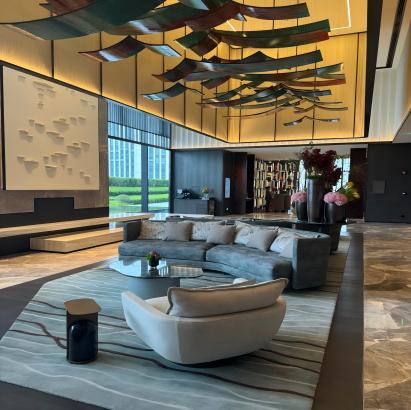
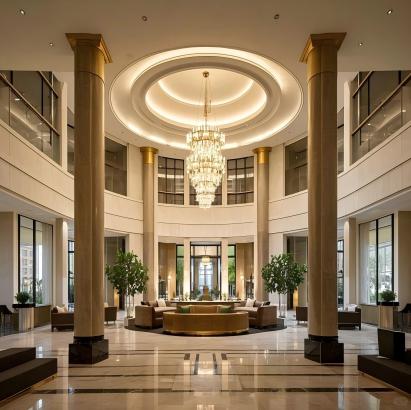
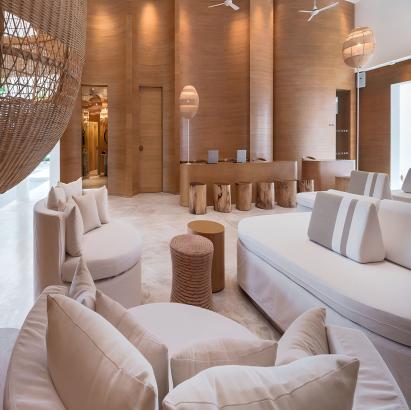
In high end hotels, seating is more than just a place to rest—it plays a crucial role in shaping the overall guest experience. From lobby lounges to public areas, comfortable seating influences how long guests stay, how they perceive the hotel, and even how much they spend.
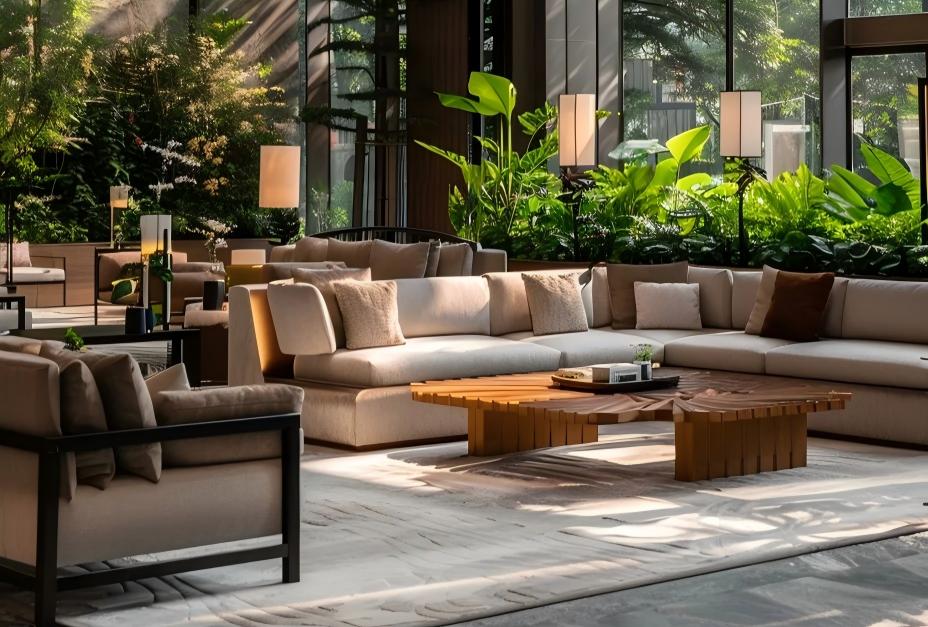
1. Why Seating Comfort Matters
-
Comfortable seating helps guests relax, reduce stress, and enjoy their stay more easily.
-
It encourages guests to extend their time in hotel lobbies, lounges, or bars. Longer dwell time often leads to increased revenue from food and beverage services or other hotel amenities.
-
Well-designed seating promotes social interaction, encouraging guests to sit together, talk, or work comfortably.
2. How Seating Comfort Affects Guest Behavior
-
Soft, ergonomic chairs and sofas help guests unwind after travel, creating a sense of luxury and thoughtful care.
-
For business travelers, seating that supports laptop use and promotes proper posture allows them to work efficiently.
-
Comfortable seating encourages conversations and informal meetings, enhancing the social atmosphere of the hotel.
-
Guests associate high-quality, comfortable furniture with luxury and attention to detail, strengthening overall brand perception.
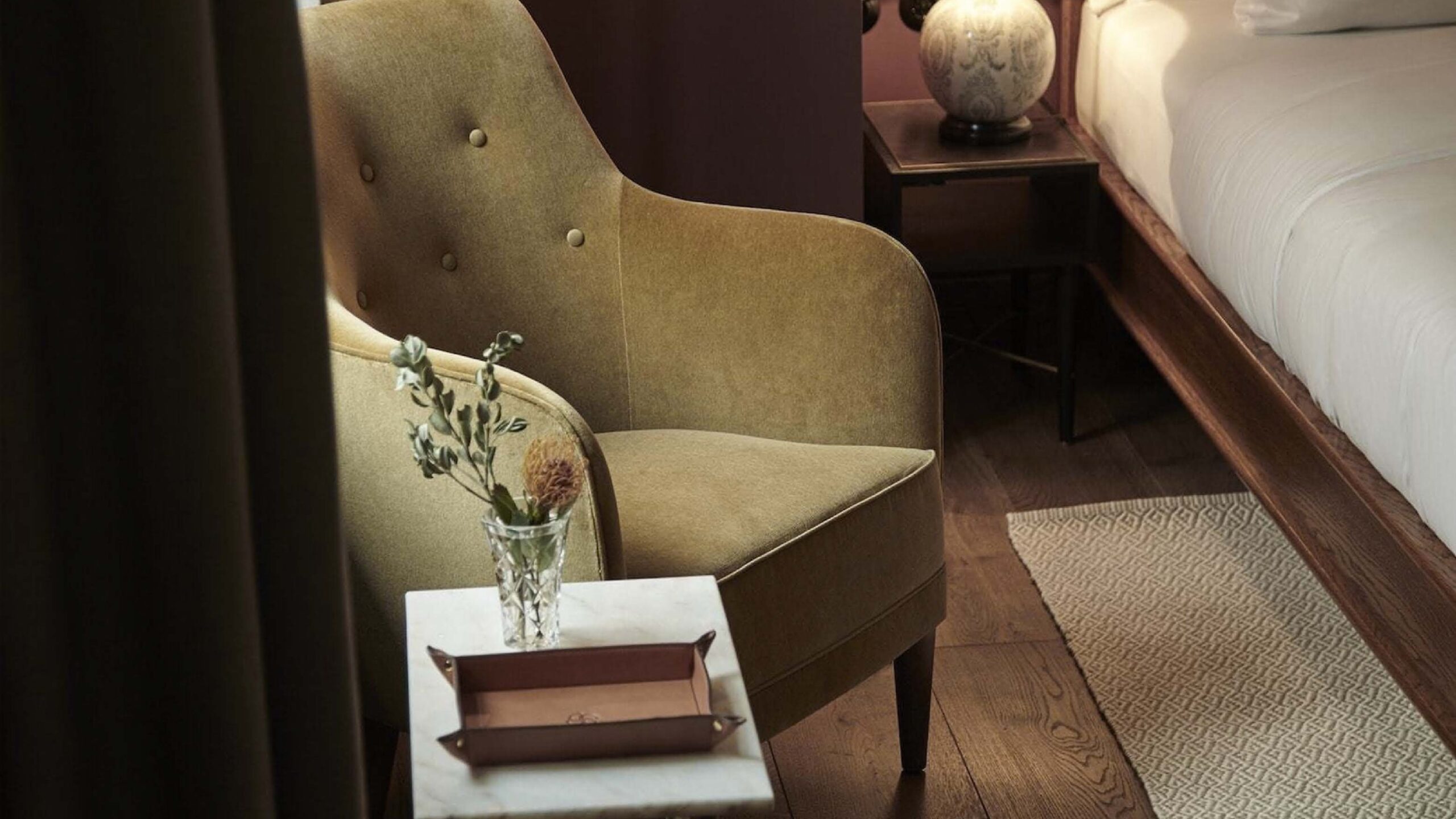
3. Key Qualities of Hotel Seating
- Material and Tactile Comfort
Soft, breathable upholstery combined with durable, resilient cushioning enhances comfort while elevating the sense of luxury.
- Flexibility and Functionality
Modular or movable seating accommodates both individuals and groups, allowing layouts to adapt to social interaction or privacy needs.
- Ergonomic Design
Proper seat height and depth, along with supportive backrests and armrests, help guests maintain good posture during extended use.
- Placement and Layout
Seating should be arranged in groups within spacious areas to allow smooth circulation, while providing access to tables, power outlets, and other amenities.

4. Common Seating Mistakes in Hotels
-
Using hard or uncomfortable furniture that prioritizes appearance over comfort
-
Ignoring ergonomic considerations in public areas
-
Overcrowding seating zones or creating poorly planned layouts
-
Failing to provide practical furniture such as coffee tables or side tables
Conclusion
Seating comfort is a key factor in shaping the hotel guest experience. It influences how long guests stay, their overall satisfaction, and their willingness to use hotel services. By selecting ergonomic, flexible, and well-positioned furniture, hotels can create welcoming public spaces that enhance guest comfort and reinforce a luxury brand image.
Luxefurn provides comprehensive custom furniture solutions, supported by its own factory and dedicated design team. With extensive experience in material selection, upholstery, and spatial layout, Luxefurn creates furniture that balances functionality with guest comfort, earning the trust of clients across high-end hotel projects.