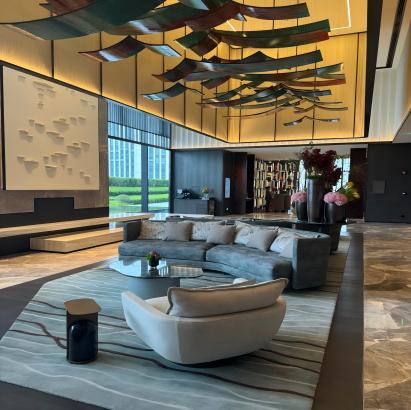
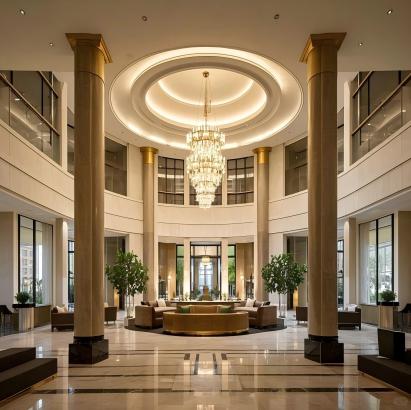
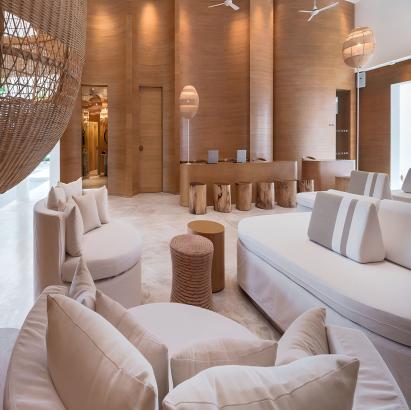
From lobbies and lounges to guest rooms and restaurants, custom furniture helps hotels express their unique brand identity, enhance comfort, and ensure durability in high-traffic areas. However, ordering custom furniture requires careful planning to avoid design inconsistencies and quality issues.
1. Define Project Requirements
Before selecting materials or styles, it is essential to clearly define the project requirements:
-
Space Type: Determine whether the furniture is intended for the lobby, guest rooms, restaurant, bar, or outdoor terrace.
-
Usage Patterns: Consider how frequently the furniture will be used and the expected level of wear and tear.
-
Brand Consistency: Ensure the furniture aligns with the hotel’s overall design concept and luxury brand image.
2. Supplier Considerations
Choosing the right supplier is critical. The ideal partner should have extensive experience in high-end hotel projects, offer comprehensive quality assurance—including inspection procedures, warranties, and after-sales support—and provide the flexibility to meet unique design requirements. An experienced and reliable supplier helps minimize risks related to delays, quality issues, and inconsistent design styles, ensuring the final furniture perfectly supports the hotel’s operational needs and brand positioning.
3. Style Consistency
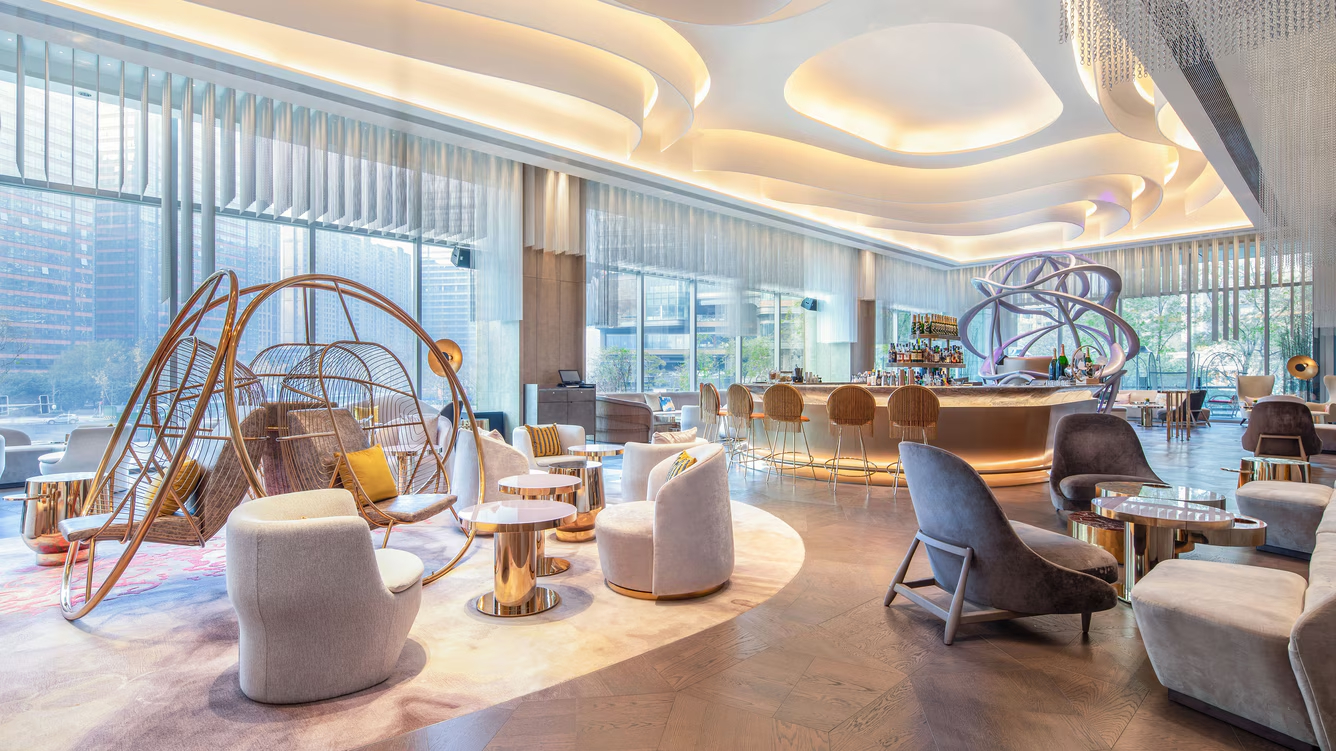
Furniture must seamlessly integrate with the hotel’s overall design concept and brand identity. Colors, textures, and materials should harmonize with the interior palette to create a unified environment. Attention should be given to design style, including proportions, lines, and material combinations, so that each piece fits naturally into the space. Finishes such as polished metals, premium leather, and wood veneers should not only appear luxurious but also maintain consistent quality across all furniture. In addition, finishes should work beautifully with the hotel’s lighting system, highlighting craftsmanship and enhancing visual appeal. Through careful coordination and selection, hotels can create spaces that are elegant, comfortable, and welcoming.
4. Material Selection and Quality Standards
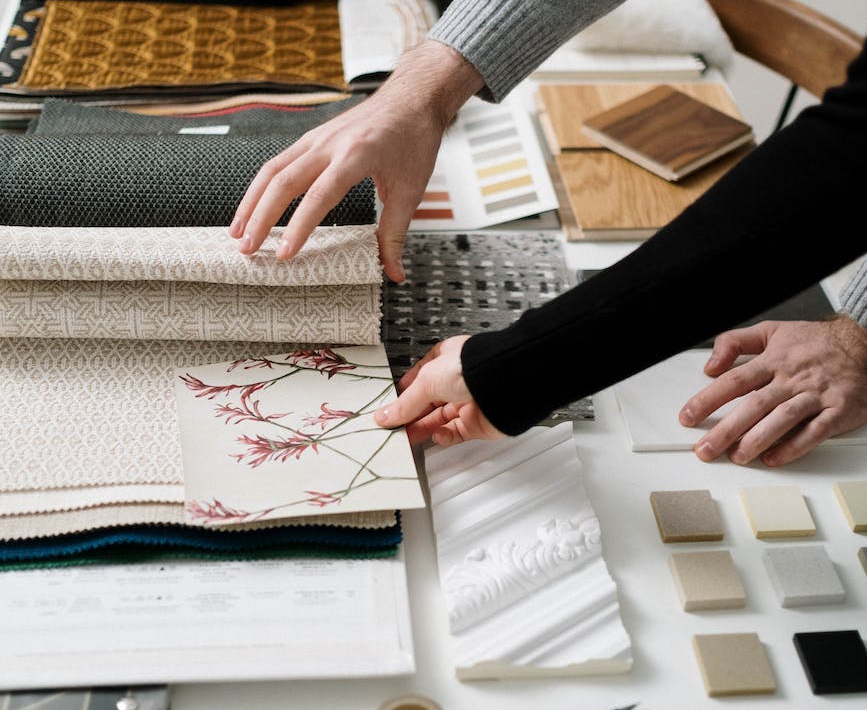
When selecting materials, the following factors should be considered:
-
Frames: Solid wood, metal, or high-quality composite materials to ensure structural strength.
-
Upholstery: Leather, premium fabrics, or soft yet durable high-end synthetic materials.
-
Durability: Commercial-grade materials designed for frequent use in high-traffic areas.
-
Maintenance: Surfaces should be stain-resistant and easy to clean without compromising a luxurious appearance.
-
Regulatory Compliance: All furniture must meet local and international standards, including fire safety regulations, load-bearing requirements, and relevant toxicity or environmental certifications.
Selecting the right materials ensures long-term durability while preserving a premium image.
5. Dimensions, Proportions, and Space Planning
-
Accurate Measurements: Ensure furniture fits the available floor space and does not obstruct circulation.
-
Balanced Proportions: Maintain harmony between seating, tables, and decorative elements.
-
Modularity: Consider modular components to create flexible layouts for lobbies or multi-functional spaces.
-
Avoid Overcrowding: Oversized furniture can restrict movement and reduce comfort.
Proper proportions and layout optimize both functionality and visual appeal.

Conclusion
Custom furniture for high-end hotels requires thoughtful planning at every stage—from defining project requirements and selecting materials to coordinating suppliers and ensuring comfort. Each step plays a vital role in creating refined, functional, and memorable spaces.
As a professional hotel furniture manufacturer, Luxefurn brings extensive project experience and an in-house design team. By combining hotel design concepts with customized space planning and material selection, Luxefurn delivers tailored furniture solutions that enhance guest experience and strengthen hotel brand identity.